 Peekwick
Paris
France
From Lutetia to Paris
Around the third century BC, a Gallic tribe, the Parisii, settled on the banks of the Seine. After the conquest, the Romans built Lutetia here. You can still see its arena and the baths in today's Cluny Museum. The city took the name of its first inhabitants in the fourth century. In the early sixth century, King Clovis made it his capital, and it has almost always been the capital since.
From kings to boulevards
In the Middle Ages, the kings launched Notre-Dame, the first Louvre and the Sainte-Chapelle. In 1789, the storming of the Bastille opened the French Revolution, and Paris became the stage for every revolution of the following century. Under Napoleon III, Baron Haussmann tore through the medieval lanes to lay out wide boulevards. He lined them with pale stone buildings with long iron balconies. His Paris is the one you see almost everywhere today.
The city of world fairs
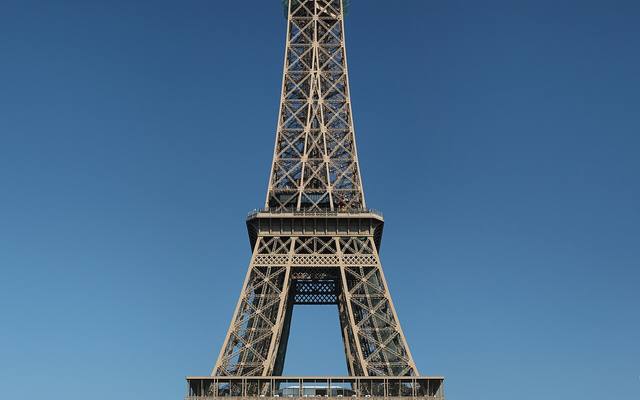
The Eiffel Tower was built for the World's Fair of 1889. It was meant to stand for only twenty years, and the artists of the day thought it hideous. Science saved it, because it served as a radio antenna. The fair of 1900 left behind the Grand Palais, the Petit Palais and the Pont Alexandre III. Paris has also hosted the Olympic Games three times, in 1900, 1924 and 2024.
How to read the city
The Seine runs through the city from east to west. The Right Bank is to the north, and the Left Bank to the south. The twenty districts, called arrondissements, spiral outward from the Louvre like a snail shell. The district number is on every street sign. Remember, too, that the great monuments of Paris often line up along long vistas. From the Louvre to the Grande Arche, the Historic Axis crosses the city in a straight line.
A city shaped like a snail
Do you know what Paris looks like on a map? A snail shell! The city is cut into twenty districts, the arrondissements, which spiral outward from the Louvre in the middle. Number one is in the center, and number twenty is right at the edge. Look for the blue signs on the street corners. The district number is written on them. In a few days, you will go all the way around the shell.
The tower that was supposed to vanish
Did you know? The Eiffel Tower was supposed to be torn down twenty years after it was built. Many Parisians thought it was ugly. Gustave Eiffel saved it by adding radio antennas. Today, it is the most famous monument in the world. It is repainted by hand about every seven years, and the metal swells a little in the heat. In summer, it grows a few centimeters taller.
The bridge challenge
Paris has thirty-seven bridges over the Seine. During your stay, count every one you cross on foot. Some are made of stone, others of iron, and the Pont Alexandre III is covered with golden statues. In front of Notre-Dame, look for a bronze star set into the ground. It is point zero, where all the roads of France are measured from. The legend says that if you step on it, you will come back to Paris.
The quiz
Why do some Paris subway entrances look like green plants, with iron stems and flowers? Answer: the architect Hector Guimard designed them around 1900 in the Art Nouveau style, which took its ideas from nature. A few dozen are left in the city. Keep your eyes open, and you will surely spot one.
Don't miss
Eiffel TowerMonuments · about 2 h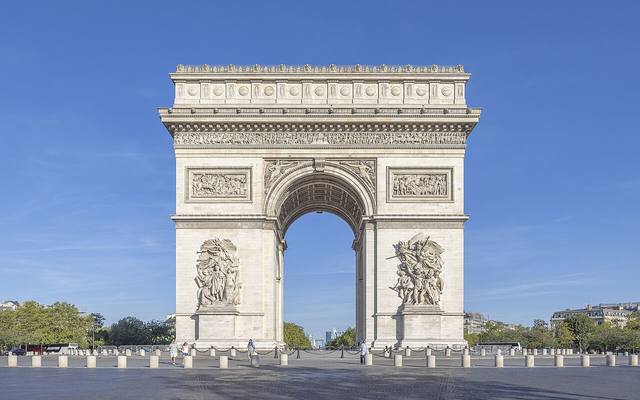 Arc de TriompheMonuments · about 1 h
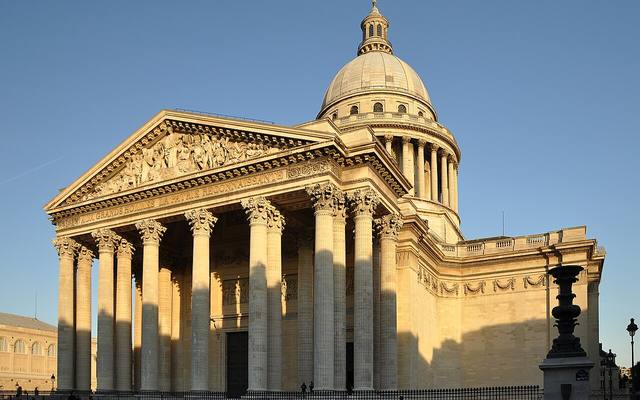 PanthéonMonuments · about 1 h
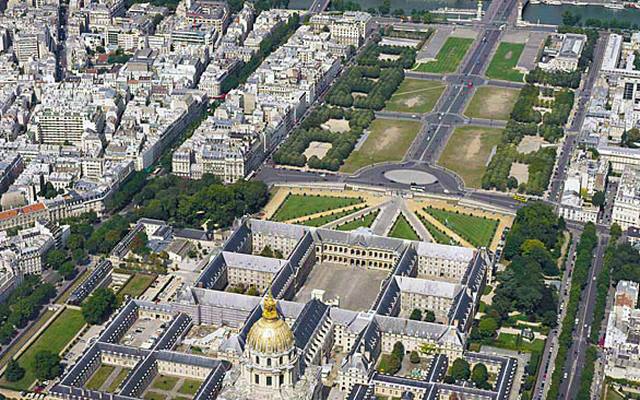 Hôtel des InvalidesMonuments · 1 h 30
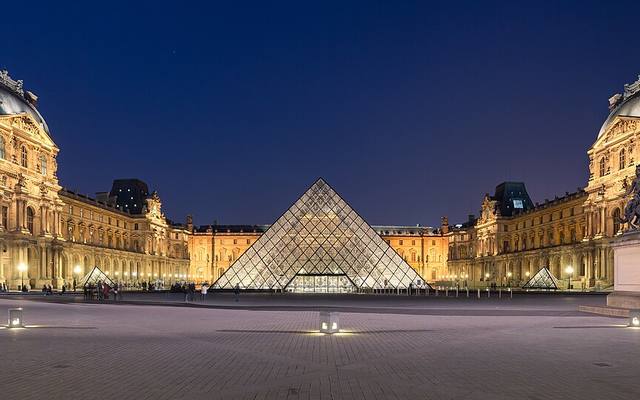 Louvre MuseumMuseums · 2 h 30
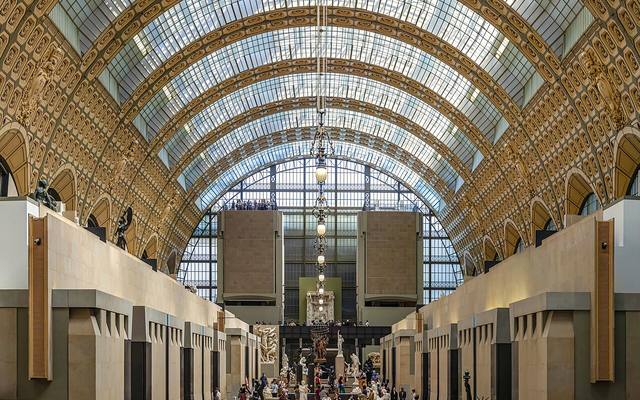 Musée d'OrsayMuseums · about 2 h
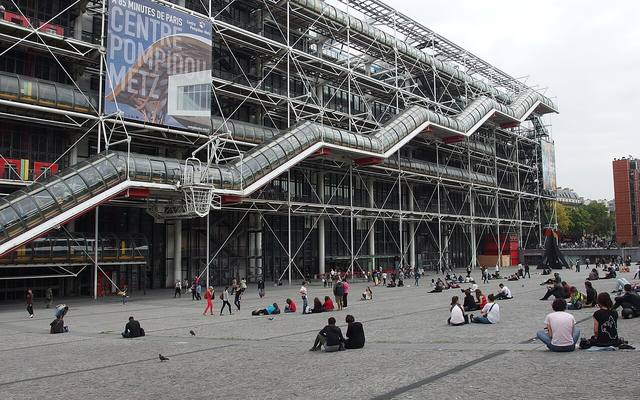 Centre PompidouMuseums · 45 min
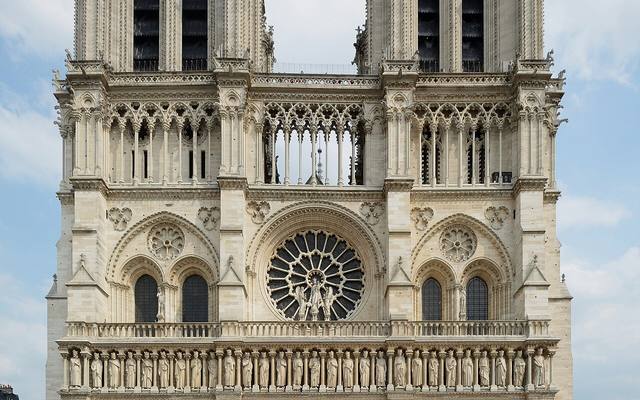 Notre-Dame de ParisChurches · about 1 h
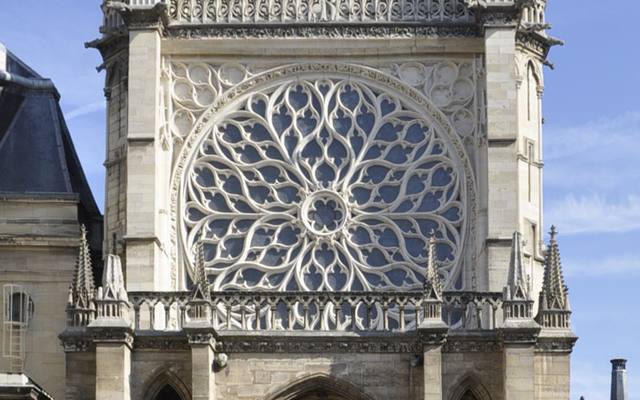 Sainte-ChapelleChurches · 45 min
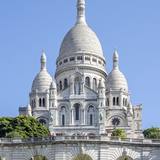
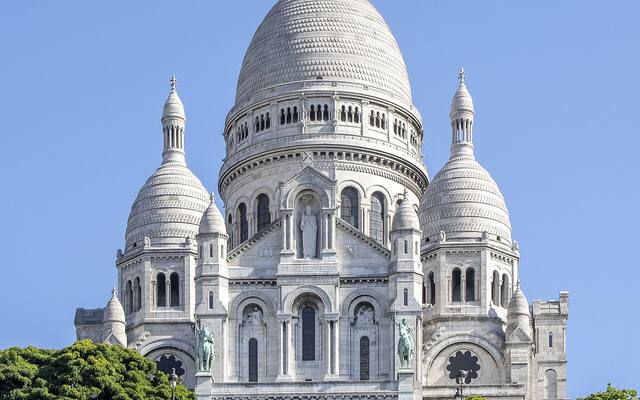 Sacré-Cœur BasilicaChurches · about 1 h
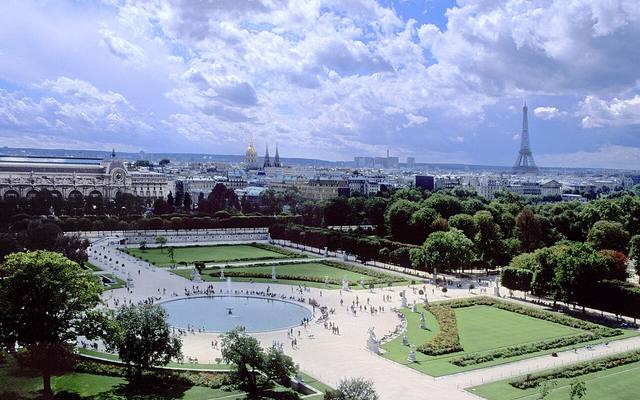 Tuileries GardenSquares and gardens · about 1 h
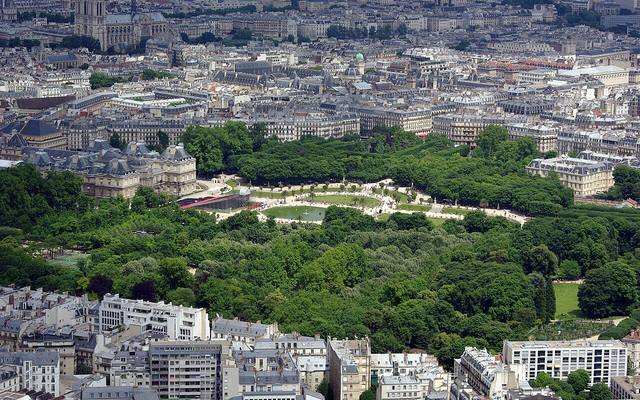 Luxembourg GardensSquares and gardens · 1 h 30
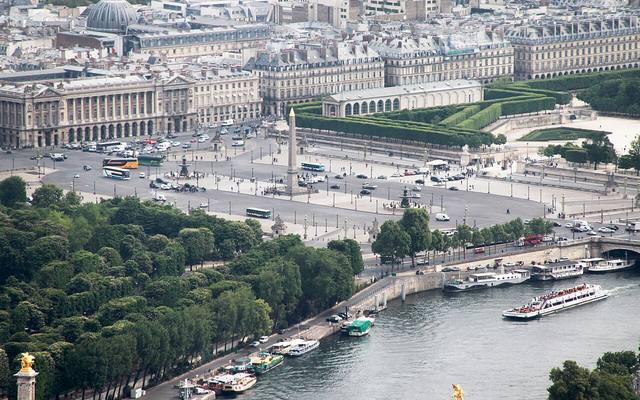 Place de la ConcordeSquares and gardens · 20 min
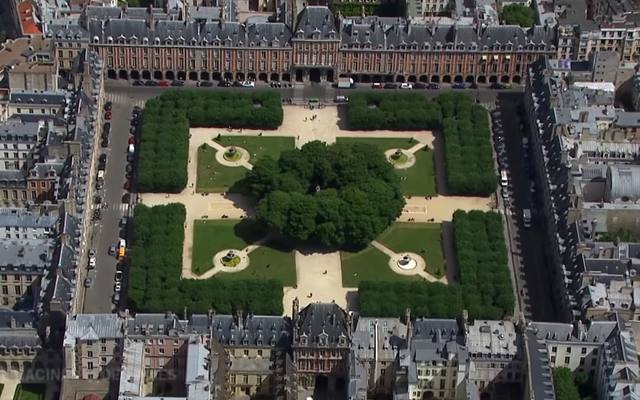 Place des VosgesSquares and gardens · 30 min
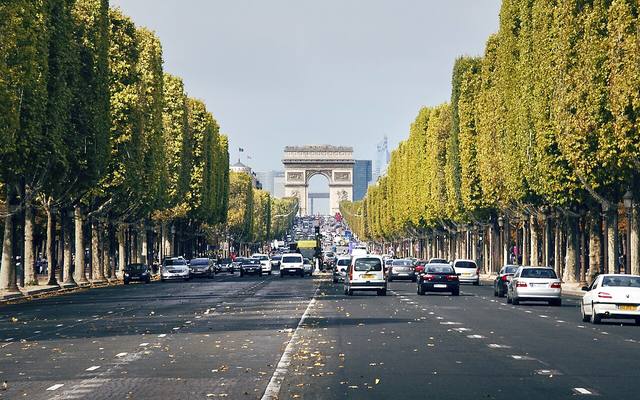 Avenue des Champs-ÉlyséesNeighborhoods · about 1 h
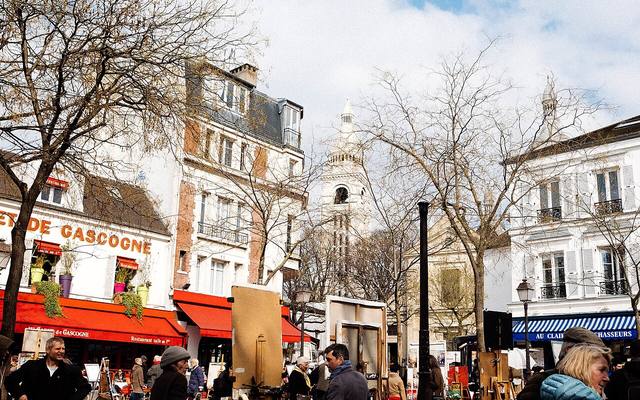 Montmartre and Place du TertreNeighborhoods · 1 h 30
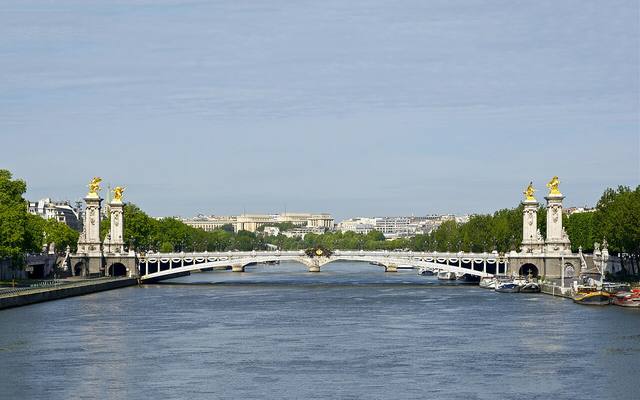 Pont Alexandre IIIThe Seine and canals · 20 min
All places
Monuments
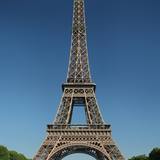 Eiffel TowerMonuments · about 2 hMust-see
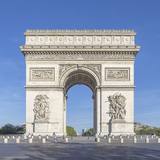 Arc de TriompheMonuments · about 1 hMust-see
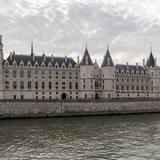 ConciergerieMonuments · about 1 h
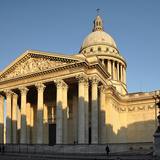 PanthéonMonuments · about 1 hMust-see
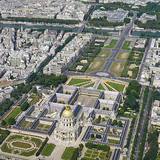 Hôtel des InvalidesMonuments · 1 h 30Must-see
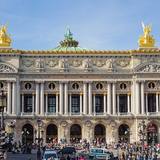 Palais GarnierMonuments · about 1 h
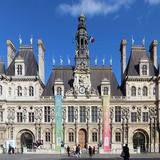 Hôtel de VilleMonuments · 20 min
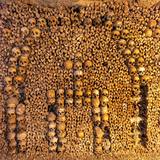 Catacombs of ParisMonuments · 1 h 15
 Tour MontparnasseMonuments · 45 min
 Arènes de LutèceMonuments · 30 min
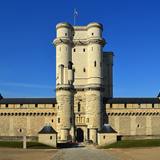 Château de VincennesMonuments · 1 h 30
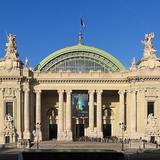 Grand PalaisMonuments · 1 h 40
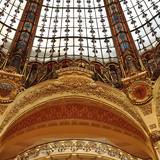 Galeries Lafayette HaussmannMonuments · about 1 h
Museums
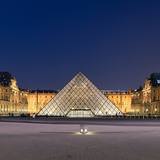 Louvre MuseumMuseums · 2 h 30Must-see
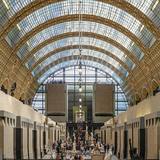 Musée d'OrsayMuseums · about 2 hMust-see
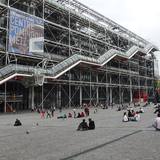 Centre PompidouMuseums · 45 minMust-see
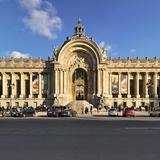 Petit PalaisMuseums · about 1 h
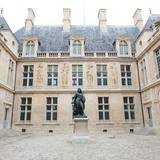 Musée CarnavaletMuseums · 1 h 30
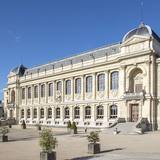 Grande Galerie de l'ÉvolutionMuseums · 1 h 30
 Cité des SciencesMuseums · about 3 h
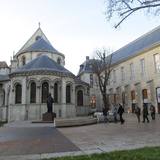 Musée des Arts et MétiersMuseums · 1 h 30
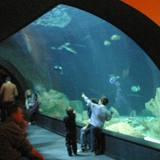 Aquarium de ParisMuseums · 1 h 30
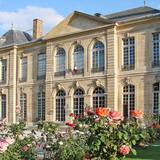 Musée RodinMuseums · 1 h 15
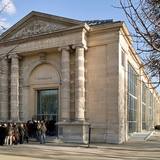 Musée de l'OrangerieMuseums · about 1 h
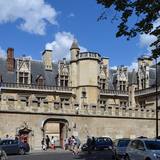 Musée de ClunyMuseums · 1 h 15
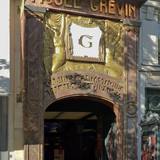 Musée GrévinMuseums · 1 h 30
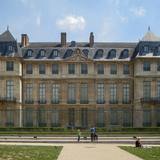 Picasso MuseumMuseums · 1 h 30
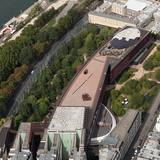 Musée du Quai BranlyMuseums · 1 h 40
 Arab World InstituteMuseums · 1 h 30
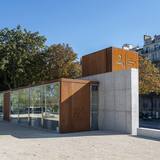 Paris Sewer MuseumMuseums · about 1 h
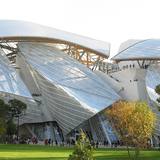 Fondation Louis VuittonMuseums · 1 h 30
Churches
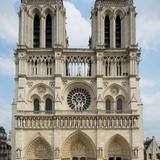
Squares and gardens
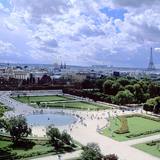 Tuileries GardenSquares and gardens · about 1 hMust-see
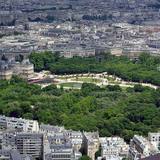 Luxembourg GardensSquares and gardens · 1 h 30Must-see
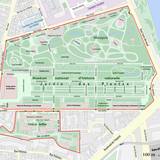 Jardin des PlantesSquares and gardens · about 1 h
 Menagerie of the Jardin des PlantesSquares and gardens · 1 h 30
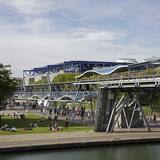 Parc de la VilletteSquares and gardens · 1 h 30
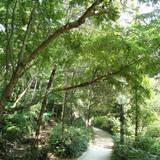 Coulée Verte René-DumontSquares and gardens · about 1 h
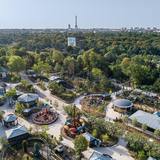 Jardin d'AcclimatationSquares and gardens · about 3 h
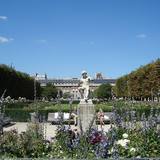 Palais-Royal GardenSquares and gardens · 30 min
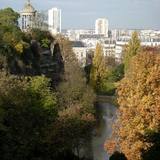 Buttes-Chaumont ParkSquares and gardens · 1 h 30
 Paris Zoological ParkSquares and gardens · about 3 h
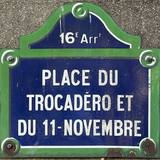 Place du TrocadéroSquares and gardens · 30 min
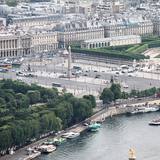 Place de la ConcordeSquares and gardens · 20 minMust-see
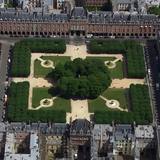 Place des VosgesSquares and gardens · 30 minMust-see
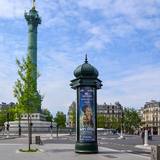 Place de la BastilleSquares and gardens · 20 min
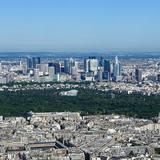 Bois de BoulogneSquares and gardens · 1 h 40
 Bois de Vincennes and Parc FloralSquares and gardens · 1 h 40
Neighborhoods
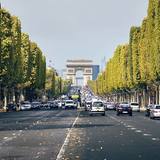 Avenue des Champs-ÉlyséesNeighborhoods · about 1 hMust-see
 Île Saint-LouisNeighborhoods · 45 min
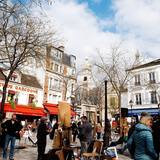 Montmartre and Place du TertreNeighborhoods · 1 h 30Must-see
 The Wall of I Love YousNeighborhoods · 15 min
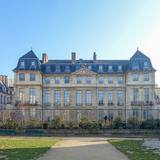 Le MaraisNeighborhoods · 1 h 30
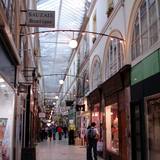 Covered PassagesNeighborhoods · about 1 h
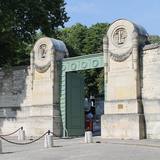 Père Lachaise CemeteryNeighborhoods · 1 h 30
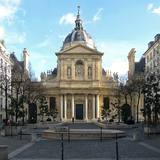 Latin QuarterNeighborhoods · about 1 h
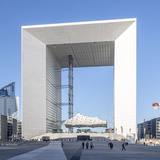 La Défense and the Grande ArcheNeighborhoods · 1 h 20
 Saint-Ouen Flea MarketNeighborhoods · about 2 h
The Seine and canals
Day trips
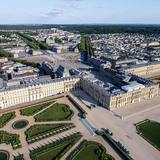 Palace of VersaillesMonuments · about 4 hMust-see
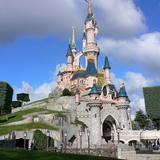 Disneyland ParisMonuments · about 9 h
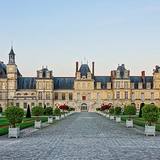 Château de FontainebleauMonuments · about 5 h
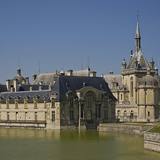 Château de Chantilly and the Horse MuseumMonuments · about 6 h
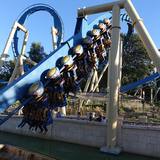 Parc AstérixMonuments · about 9 h
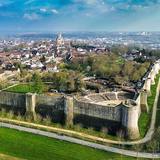 Provins, the Medieval CityNeighborhoods · about 6 h
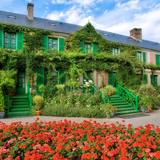 Giverny and Monet's GardensSquares and gardens · about 4 hMust-see
Planning Paris
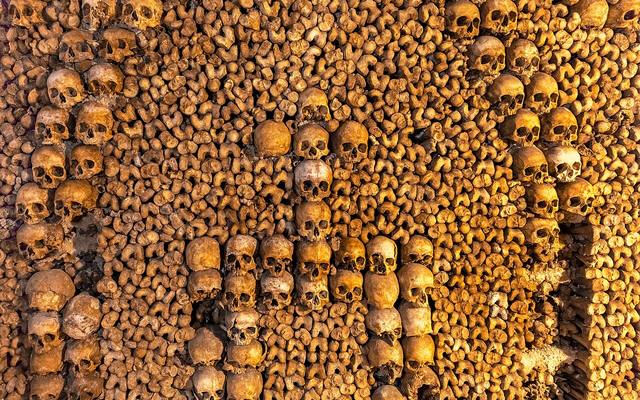 Ideas and tipsCatacombs and underground sights in Europe to visit with kids: Rome, Paris, Vienna, PragueCatacombs in Rome and Paris, the sewers, an underground lake near Vienna, the Kutná Hora ossuary: which underground visits suit kids, and how to prepare them.November 12, 2026
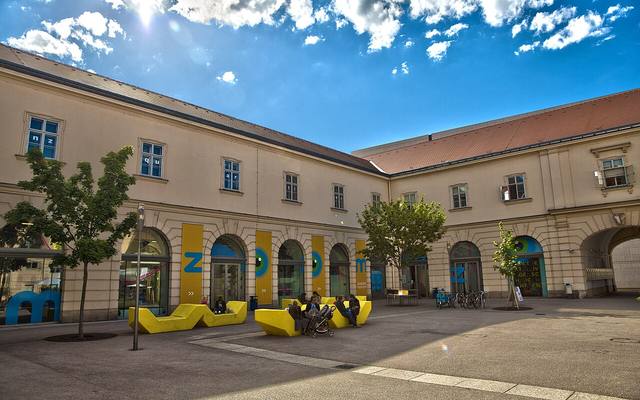 Ideas and tipsThe best museums for kids in Europe's big citiesWhere can children touch, play and experiment? Our pick of kid-friendly museums in Rome, Paris, London, Berlin, Vienna and Amsterdam, sorted by age group.October 29, 2026
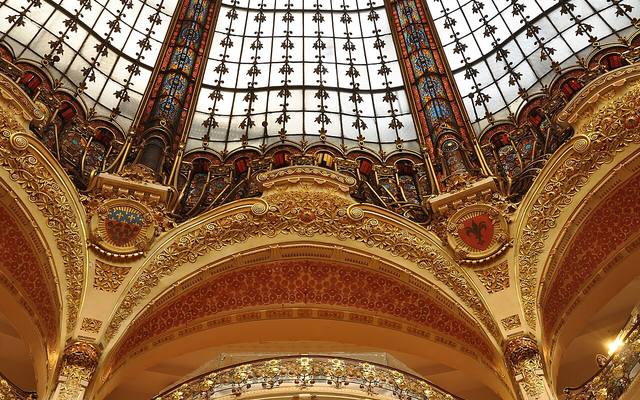 EventsParis at Christmas with kids: what to do over the holidays in 2026Department store windows, lights, Christmas markets, ice rinks and what is open or closed on 24, 25 and 31 December and 1 January: Paris with kids at Christmas 2026.October 23, 2026

The full stories, the audio, the offline map and the challenges for kids.